Unlock your creativity with these 3 best AI book cover design prompts. Create stunning, professional, and high-converting covers effortlessly for your next project.
In the competitive world of publishing—whether you are a self-published author on Amazon KDP or a creative professional building a brand—the first thing your audience sees is the cover. A book cover is more than just a picture; it is the silent salesman that invites readers into your world. With the rapid evolution of technology, mastering AI book cover design prompts has become the ultimate game-changer for authors in the USA and Europe.
Hiring a traditional designer can cost hundreds of dollars, but with these advanced prompts, you can generate publisher-ready backgrounds instantly. Below are the three highest-converting prompts for the most popular book genres right now.
The Psychological Thriller (e.g., "The Last Witness")
For suspense, horror, and psychological thriller novels, the primary goal of a cover is to evoke a sense of mystery and tension. This premium prompt generates a dark, moody, and deeply haunting background that compels potential readers to wonder what secrets are hidden within the pages.
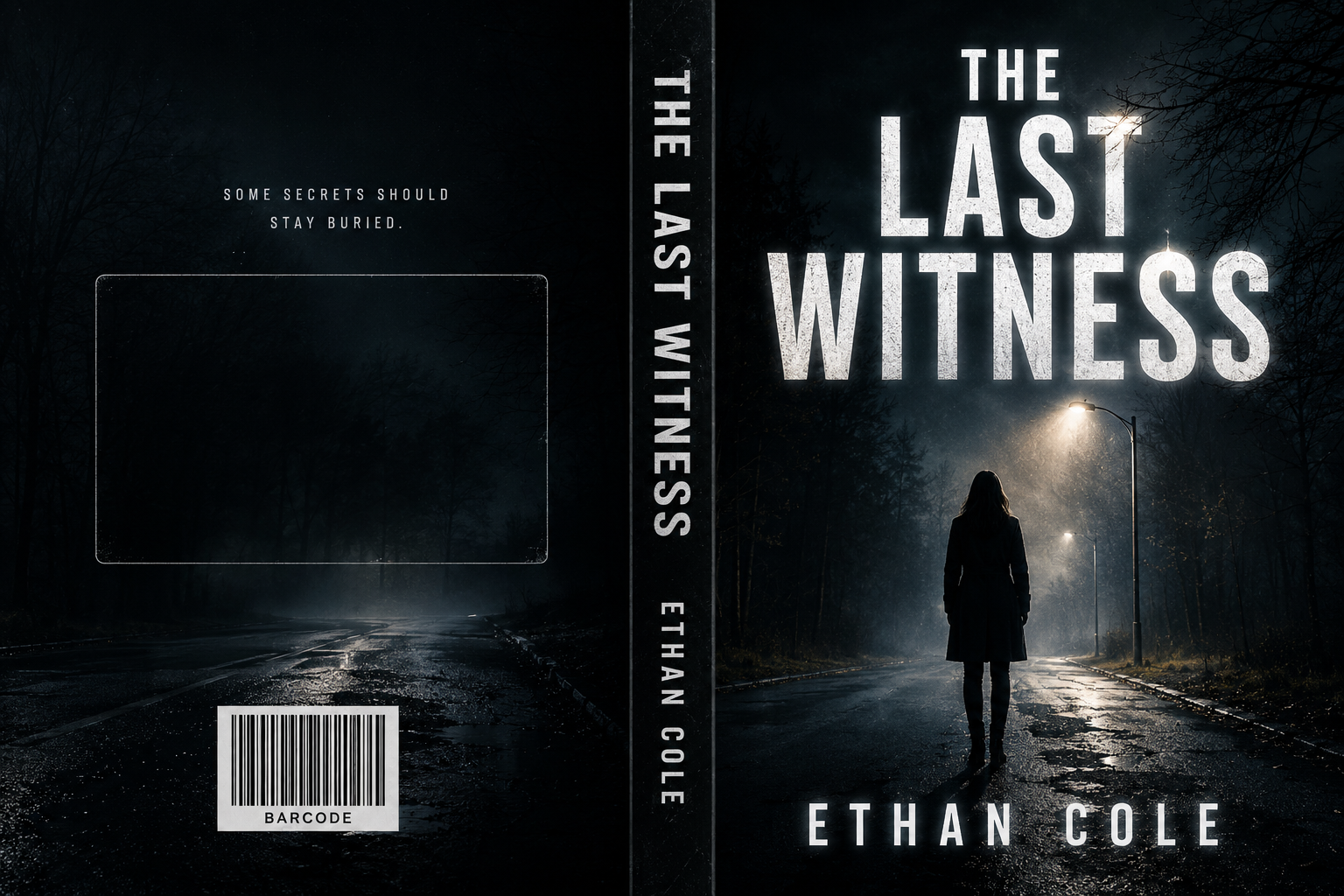
Why This Works: The heavy use of deep shadows, environmental mist, and a single flickering light source creates instant psychological tension. The composition is strictly engineered to leave the center and upper thirds clear, ensuring your title and author name remain highly readable and bold.
The Dreamy Romance (e.g., "Falling into You")
Romance and contemporary drama novel covers require emotional depth, soft color palettes, and captivating lighting. This prompt utilizes the iconic aesthetic of a European golden hour sunset to craft a beautiful, high-converting background that immediately resonates with fiction readers.
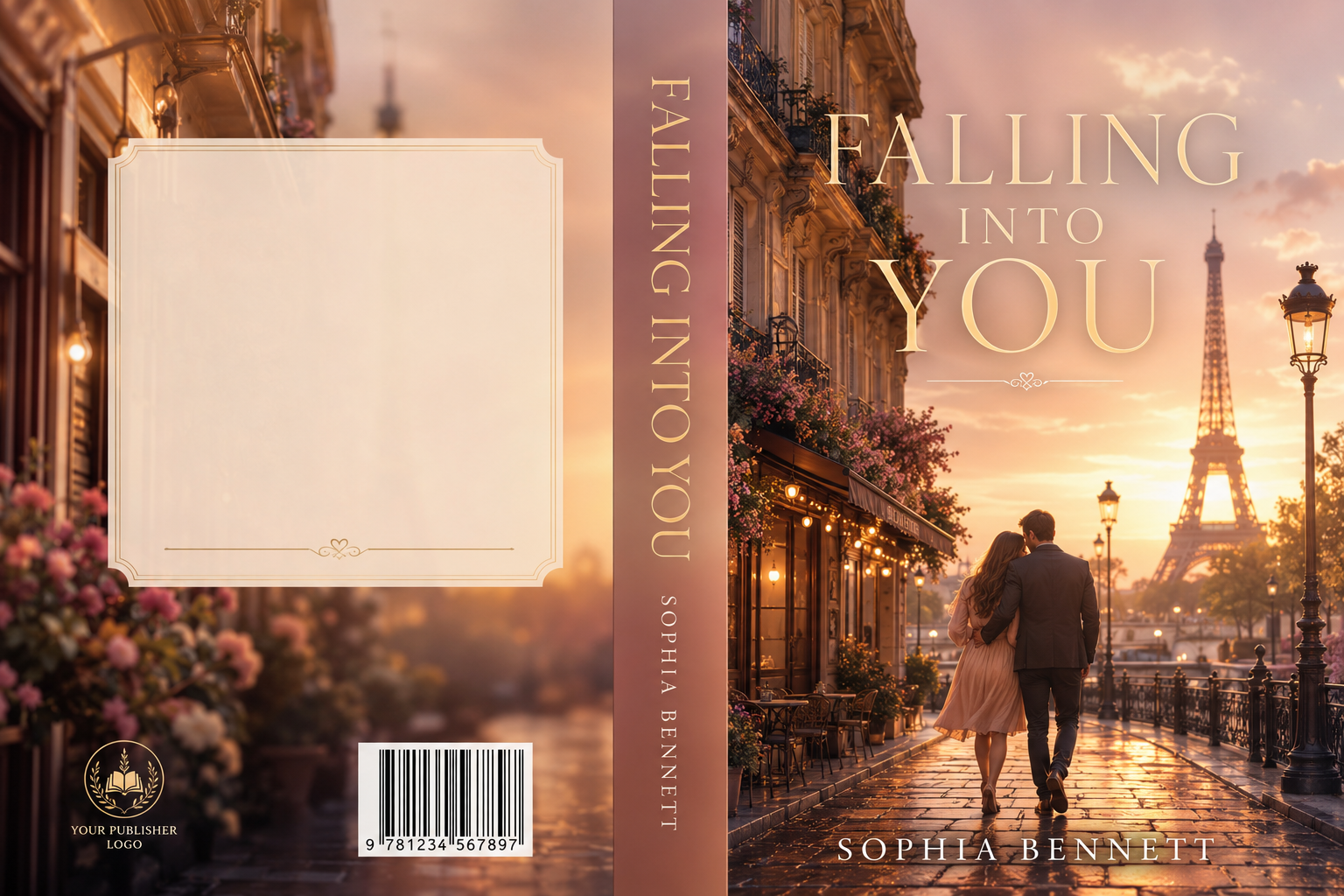
Why This Works: The warm, golden-hour lens flares and soft-focus landmark setting trigger immediate emotional warmth. The layout is optimized to provide a clean, uncluttered canvas for elegant script typography.
Non-Fiction & Self-Help (e.g., "Level Up Your Life")
Business, leadership, and self-help book covers must project authority, clarity, and modern sophistication. Instead of complex character imagery, these genres convert best with clean, minimalist layouts, corporate color schemes, and abstract geometric concepts that symbolize growth.
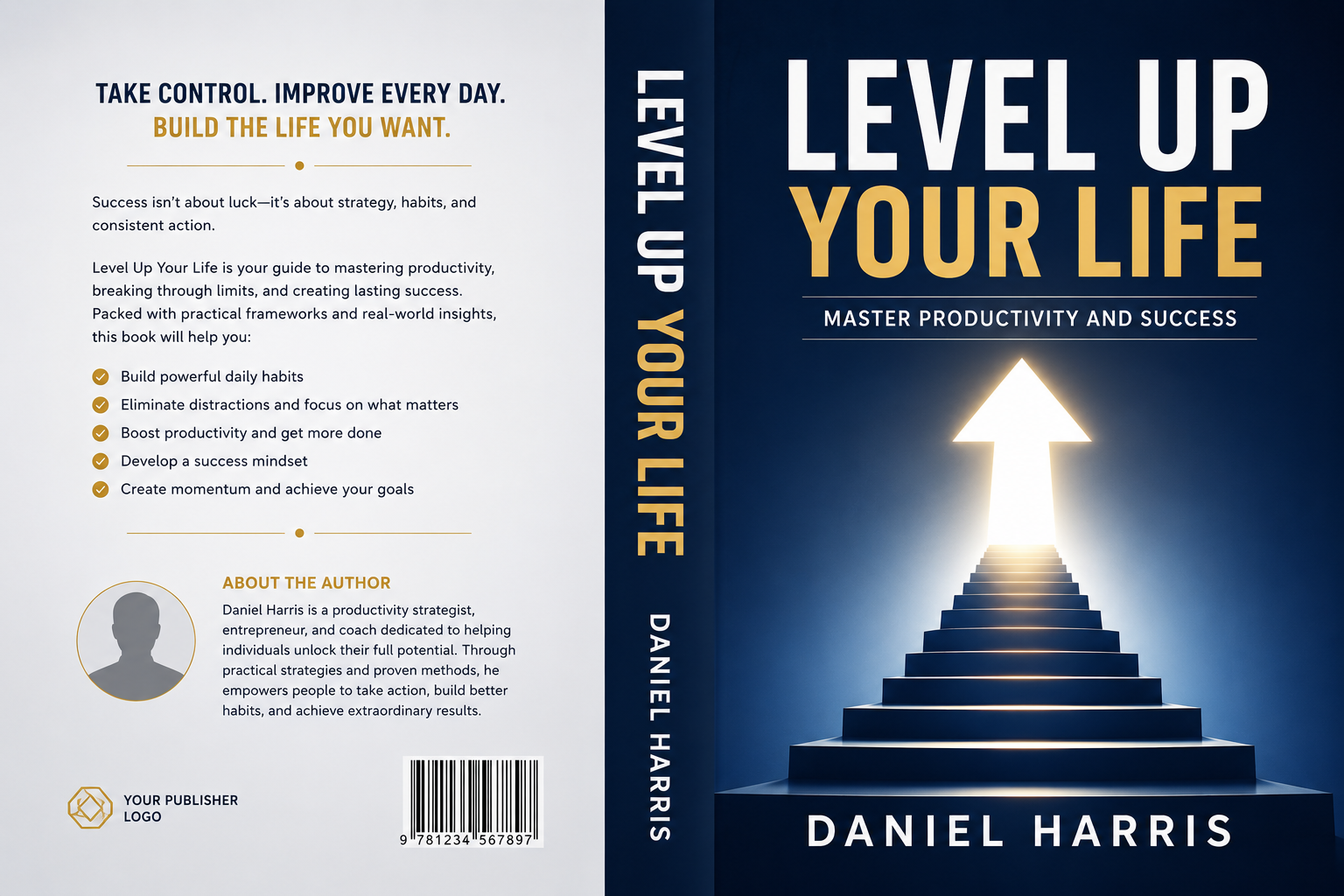
Why This Works: The combination of rich navy blue and metallic gold instantly communicates a premium, executive-level standard. The upward-winding staircase serves as a direct visual metaphor for personal development, motivation, and career progression.
How & Where to Use These Prompts: A Step-by-Step Blueprint
To achieve flawless, professional results that rival traditional publishing houses, follow this structured workflow:
Step 1: Choose Your Generative Engine: For architectural and layout precision, execute these prompts inside top-tier AI tools like Midjourney v6, DALL·E 3, or Leonardo AI.
Step 2: Customize the Core Subject: Simply swap out the genre-specific subjects inside the prompt text to align perfectly with your book’s unique plot or central theme.
Step 3: Enforce the Industry Aspect Ratio: Always ensure your parameters include a strict 2:3 aspect ratio (
--ar 2:3), which is the exact universal standard required for Amazon KDP print and eBook formats.Step 4: Generate and Evaluate Variations: Do not settle for the first output. Run the prompt at least 10 to 20 times to explore different framing angles, color grades, and lighting variations.
Step 5: Apply Professional Typography Separately: Once you have generated the perfect background art, import the image into Canva, Adobe Express, or Photoshop to overlay your text using clean, high-contrast book fonts.
Real-World Use Cases:
Amazon KDP Self-Publishing: Eliminate high freelance design costs and completely control your creative vision while keeping your self-publishing budget lean.
Pre-Launch Teaser Marketing: Generate high-resolution promotional artwork to build anticipation, running “Coming Soon” teasers on Instagram, Pinterest, and Facebook.
Consistent Series Branding: Keep the core style modifiers identical across multiple prompts to establish a unified visual identity for multi-part book series.
Video Usage Section: Turn Static Covers Into Viral Traffic
Publishing a static image on your blog is only half the battle. To drive massive organic traffic from short-form video platforms to your website, transform your static designs into dynamic motion content:
Cinemagraphs via AI Video Tools: Drop your generated cover background into Runway Gen-2 or Luma Dream Machine. Add subtle motion prompts to animate specific environmental details—such as making the fog roll across the thriller sfc or adding a gentle glimmer to the corporate light trails.
The “Sketch-to-Final” Reveal Visual: Create engaging TikToks and Instagram Reels utilizing a visual transition that morphs a simple rough pencil sketch or raw text prompt into the completed, high-resolution premium book cover design.
Behind-the-Scenes Process Shorts: Share quick YouTube Shorts showcasing the step-by-step process of typing the prompt, generating the variations live, and applying the final text elements to prove how quickly AI can streamline independent publishing.
Book Cover Genres & Visual Aesthetics Comparison
| Genre Style | Key Visual Elements | Best Lighting Setup | Target Audience Market |
| Psychological Thriller | Silhouettes, Dense Fog, Streetlights | Midnight, High-Contrast Shadows | UK & USA Suspense Readers |
| Romance / Drama | Soft Scenery, Landmarks, Couples | Golden Hour, Warm Lens Flare | European Aesthetic Lovers |
| Business / Self-Help | Abstract Stairs, Geometric Lines | Sharp Focus, Clean Studio Light | Silicon Valley & Global Professionals |
Understanding the Anatomy of a Master Prompt
To consistently generate stunning covers, it is crucial to understand how AI engines break down language models. A perfectly structured book cover prompt relies on three fundamental pillars:
The Subject (The Concept): This defines the core identity of the book. Fiction thrives on mysterious silhouettes or grand landscapes, whereas non-fiction converts best using bold, minimalistic symbols that project an immediate theme.
The Lighting (The Mood): Light dictates the entire emotional tone of the book. Moody cinematic shadows immediately signal danger, while bright, diffused studio lighting implies clarity, education, and professional guidance.
Quality Modifiers (The Technical Execution): Phrases like “8k resolution”, “photorealistic style”, and “uncluttered composition with ample copy space” instruct the engine to focus heavily on edge sharpness, which prevents pixelation or blurriness during physical print production.
Pro Tips for Absolute Success on Amazon KDP
Never Ask AI to Generate Text: Text rendering in AI art models is highly prone to spelling errors and distortion. Always generate your background images completely blank, and handle all titles and author names inside dedicated design software later.
Optimize for Distinct Regional Markets: The European market often responds heavily to classical styling cues like “Art Nouveau inspiration” or “vintage oil painting texture”. Conversely, the US market is heavily driven by modern, high-contrast, bold vector styles that immediately catch the eye on digital screens.
Always Test in Thumbnail Dimensions: The vast majority of readers browse books on mobile screens via Amazon or Goodreads thumbnails. Before finalizing any design, zoom out to a tiny thumbnail size to ensure the core visual elements remain striking and completely legible from afar.
Create Your Own AI Art Now!
Use our powerful, custom-built AI Prompt Generation tool to turn your words into masterpieces instantly.
Try Our AI Tool 🚀Create Your Own AI Portfolio Now!
Use our powerful, custom-built AI Portfolio Generation tool to turn your words into masterpieces instantly.
Try Our AI Portfolio 🚀


hello