Surreal & Conceptual AI Art Prompts: Complete Image & Video Guide
Dreamlike scenes, impossible objects, and unexpected visual combinations can make AI artwork instantly memorable. From floating landscapes to symbolic compositions, surreal art gives creators a way to turn unusual ideas into striking visuals . In AI image and video platforms, these imaginative pieces belong to the Surreal & Conceptual AI Art Category.
Surrealism and conceptual design push past literal reality to explore symbolism, illusions, unusual lighting, and impossible physics. With modern generative tools, creators use surreal prompts for music album covers, background visuals, storytelling loops, creative advertising, and fine art concepts.
This guide provides a practical overview of how surreal AI art works, where creators apply it, the differences between static image and video motion prompts, and how to write clear prompts step by step.
What is the Surreal & Conceptual Category?
The surreal and conceptual art category brings together prompt structures, visual styles, and keywords for creating dreamlike compositions, symbolic scenes, and unconventional environments.
Rather than replicating everyday scenes, this style blends everyday objects in unexpected ways or creates floating, fluid, and geometric landscapes. Across tools like Midjourney, Leonardo AI, ChatGPT, Runway, Kling AI, and Pika Labs, this style generally falls into two primary formats:
Surreal Static Images: Digital paintings, symbolic character visualizers, album artwork, and fine art concepts. To explore pre-tested prompts for still artwork, browse our Surreal Conceptual AI Image Prompts gallery.
Surreal Video Animations: Floating loops, morphing textures, liquid movements, and atmospheric camera pans. For motion concepts, check out our Surreal AI Video Prompts collection.
Organizing these artistic prompts into a dedicated category helps creators build creative visual styles quickly without searching for abstract technical terms.
Creative Ways to Use Surreal & Conceptual Prompts
Surreal and conceptual visuals give creators and digital artists a distinct style across modern platforms.
Here are a few practical ways creators use this visual niche:
1. Music Visuals and Album Cover Art
Musicians, producers, and indie bands frequently choose surreal art for cover sleeves, single banners, and background video loops. Dreamlike symbolism mirrors musical moods effectively.
2. Social Media Visuals & Atmospheric Reels
Abstract and floating visual clips draw quick attention on TikTok, Instagram Reels, and YouTube Shorts. Short surreal video loops work well behind ambient audio or storytelling tracks.
3. Book Covers and Creative Posters
Authors and event designers use conceptual graphics to convey deep themes without relying on literal photos. A single symbolic image can summarize complex narrative ideas.
4. Brand Marketing & Creative Campaigns
Design agencies use subtle surrealism to make marketing visuals stand out. Blending everyday products with unexpected natural or architectural elements creates memorable promo assets.
Popular Sub-Styles in This Category
The surreal and conceptual category includes several distinct visual sub-styles. Knowing these options helps you choose the right direction for your project.
1. Classic Dreamlike Surrealism (Dali And Magritte-Inspired)
This aesthetic combines realistic lighting with impossible physics, such as melting structures, floating doors, or sky reflections on desert floors.
Best Used For: Fine art concepts, narrative illustrations, and symbolic posters.
Key Prompt Terms: Dali-inspired surrealism, dreamlike atmosphere, impossible physics, floating objects, soft horizon lighting.
2. Minimalist Conceptual Art
This style uses clean backgrounds, simple geometry, and a single focal object to convey a specific thought or message.
Best Used For: Book covers, editorial graphics, and modern brand posters.
Key Prompt Terms: Minimalist conceptual art, clean background, strong focal point, simple geometry, quiet mood.
3. Dark & Atmospheric Surrealism
This look uses deep shadows, mist, muted tones, and gothic structural elements to create mystery and emotion.
Best Used For: Fantasy covers, cinematic mood boards, and artistic short films.
Key Prompt Terms: Dark surrealism, atmospheric mist, high contrast shadows, muted color palette, mysterious ambiance.
4. Liquid & Fluid Abstract
This style focuses on morphing shapes, flowing water, colorful smoke swirls, or floating glass textures in motion.
Best Used For: Video motion loops, background visuals, and music visualizers.
Key Prompt Terms: Fluid motion, iridescent liquid, floating glass spheres, smooth morphing shapes, soft lighting reflections.
5. Cyberpunk & Futuristic Surrealism
Combining neon lighting, floating holograms, and abstract architecture gives traditional surrealism a futuristic twist.
Best Used For: Sci-fi visualizers, game art concepts, and modern digital posts.
Key Prompt Terms: Futuristic surrealism, neon ambient glow, floating holographic geometry, reflective glass surfaces.
Prompting for Still Images vs. Video Clips
Prompting for a still surreal artwork differs from prompting for a moving abstract clip.
| Prompt Type | Main Focus | Typical Elements Included | Useful Tools |
| Surreal Still Image Prompts | Composition, lighting depth, symbolic subject | Subject, surface reflection, mood, camera angle | Midjourney, Leonardo AI, ChatGPT |
| Surreal Video Motion Prompts | Fluid movement, morphing, camera drift | Flow speed, camera motion, floating speed | Runway, Kling AI, Pika Labs |
For Image Prompts: Describe the main subject, symbolic elements, environmental lighting, and surface texture.
For Video Prompts: Focus on movement mechanics. Explain how objects float, how liquids morph, or how the camera drifts through the scene over time.
How to Customize Prompts From Our Cards
When you pick a prompt template from The Prompt Home, you can customize it using this practical formula:
A Simple Surreal AI Prompt Formula
Subject + Surreal Concept + Texture/Material + Lighting & Mood + Camera/Quality
Practical Example
Suppose a card prompt reads: “A floating door in a desert.” Here is how you can customize it:
Change Subject: Swap “door” for “a glowing grand piano”.
Pick a Concept: Choose “floating over a calm glass lake at dusk”.
Add Texture/Material: Add “translucent crystal body with gold metallic accents”.
Set Environment & Lighting: Add “soft purple twilight sky, quiet water reflections”.
Set Camera & Quality: Add “wide-angle shot, clear detailed render”.
Your Customized Prompt:
“A glowing grand piano made of translucent crystal with gold metallic accents, floating over a calm glass lake at dusk, soft purple twilight sky, quiet water reflections, wide-angle shot, clear detailed render.”
Simple Workflow: Creating a Short Surreal AI Video
If you are new to abstract video generation, here is a practical step-by-step workflow:
Outline the Visual Idea: Keep it simple (10 to 15 seconds). Example: “A clear glass sphere floating over a calm ocean, softly opening to release glowing particles.”
Generate the Base Image: Create your initial visual using Midjourney or Leonardo AI.
Animate the Scene: Tools like Runway, Kling AI, and Pika can be useful for turning static surreal concepts into motion clips. Upload your image and add motion cues like “glass sphere floats gently, glowing particles drift upward, slow camera pan.”
Add Background Audio: Match your clip with ambient music or subtle sound effects in an editor like CapCut.
Publish: Share your surreal animation loop on YouTube Shorts, TikTok, or Instagram Reels.
Surreal & Conceptual Prompts You Can Try
1. Dreamlike Concept Image Prompt (Midjourney / Leonardo AI)
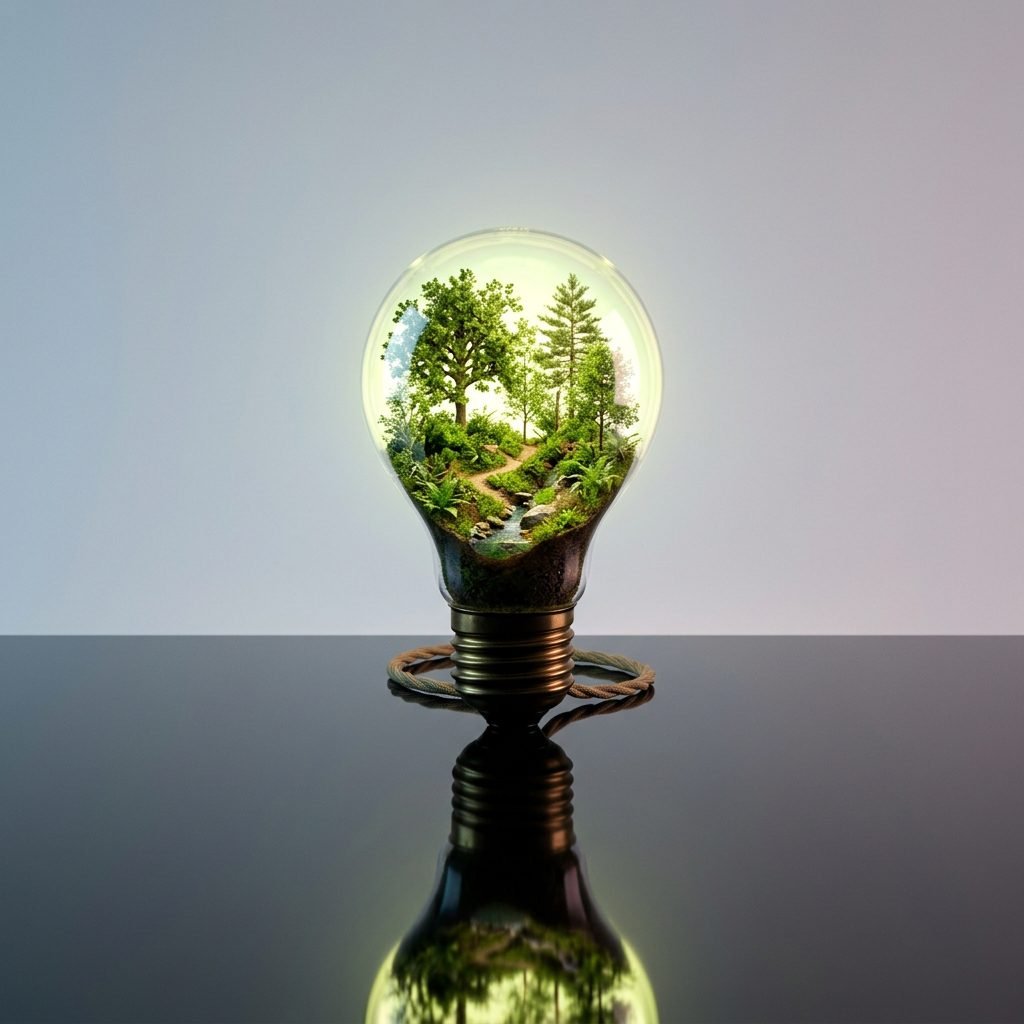
2. Fluid Surreal Video Motion Prompt (Runway / Kling / Pika)
Surreal Style Quick Reference
Use this reference table to match your project idea with a suitable surreal style:
| Style Variant | Primary Visual Feature | Common Project Use | Useful Tools |
| Dali-Inspired | Impossible physics, dreamlike scale, long shadows | Fine art concepts, narrative illustrations | Midjourney, Leonardo AI |
| Minimalist Conceptual | Simple geometry, quiet mood, single focus | Book covers, editorial banners | Midjourney, DALL-E 3 |
| Dark Surrealism | Mist, deep shadows, muted tones | Fantasy artwork, mood boards | Midjourney, FLUX |
| Liquid & Fluid | Morphing shapes, flowing water, smoke swirls | Video loops, music visualizers | Runway, Kling AI, Pika |
| Futuristic Surrealism | Neon glow, floating holograms, glass reflections | Sci-fi concepts, modern social graphics | Midjourney, Leonardo AI |
Frequently Asked Questions (FAQs)
What is the surreal and conceptual category used for?
Surreal conceptual AI art prompts can be used to create dreamlike artwork, music visualizers, abstract video loops, symbolic editorial graphics, and other imaginative visual projects.
How do I prevent surreal prompts from looking messy or confusing?
Keep your composition focused. Limit your prompt to one or two main symbolic subjects, specify a clear lighting style, and use a clean background keyword like minimalist backdrop or quiet atmosphere.
Can I create surreal video loops using static AI images?
Yes. Uploading a clean static surreal image into AI video generators like Runway, Kling AI, or Pika Labs allows you to add gentle motion, such as floating elements, drifting mist, or camera pans.
Which tools work best for abstract motion prompts?
Platforms like Runway, Kling AI, and Pika Labs are useful for processing fluid movement, floating physics, and camera pans from text or image inputs.
Final Thoughts
The Surreal & Conceptual AI Art Category offers a creative workspace for expressing abstract ideas and dreamlike themes. By understanding different sub-styles—such as minimalist conceptual art, fluid motion, and dark surrealism—you can guide AI generators to produce engaging visual content.
To start creating, explore our Surreal Conceptual AI Image Prompts or test motion sequences with our Surreal AI Video Prompts. Tweak these prompt templates to match your mood and build your next artistic project.
About The Author
Saleem Noor is a digital creator and the founder of The Prompt Home. He creates and tests practical AI image and video prompt workflows to help creators develop visual content for social media, digital projects, and creative campaigns.